The Future of Sustainable Luxury Tourism in the Maldives
Introduction
The Maldives, an archipelago of over 1,000 coral islands scattered across the Indian Ocean, is synonymous with luxury tourism. With its crystal-clear waters, vibrant coral reefs, and exclusive resorts, the Maldives has long been a playground for affluent travelers. However, this nation, which relies heavily on tourism, faces a critical dilemma: balancing the allure of luxury with the urgent need for sustainability. As climate change accelerates, threatening the very existence of these islands, and as the global demand for eco-conscious travel grows , the future of luxury tourism in the Maldives is inexorably tied to sustainability.
In this article, we explore the future of sustainable luxury tourism in the Maldives, focusing on the environmental, economic, and social implications. We delve into current initiatives, challenges, and opportunities, highlighting how the tourism industry can evolve to preserve the natural beauty of the Maldives while continuing to offer world-class luxury experiences.
The State of Luxury Tourism in the Maldives
The Maldives' economy is heavily reliant on tourism, contributing to nearly 30% of its GDP. With over 1.7 million visitors in 2019, tourism plays a vital role in the country's economic development. The high-end resorts, often located on private islands, offer a unique blend of seclusion, natural beauty, and unparalleled luxury. Over the years, the Maldives has become the epitome of exclusive, high-end tourism, attracting honeymooners, celebrities, and affluent travelers from around the globe.
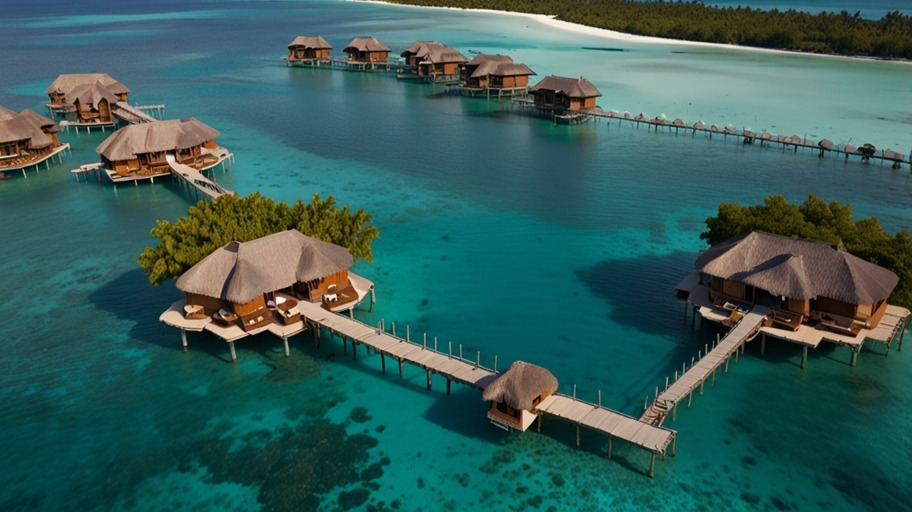
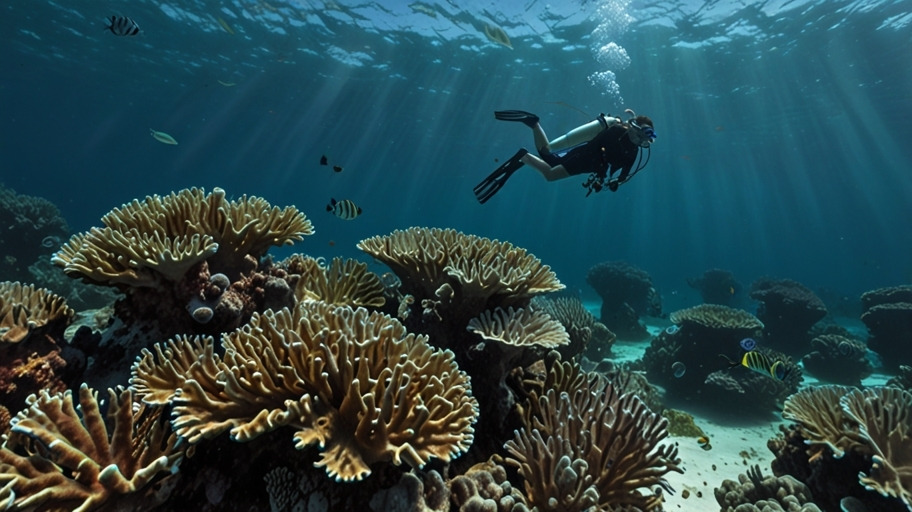
However, this success comes at a cost. The influx of tourism, combined with the rapid development of resorts, has led to environmental degradation. Coral reefs, which are the lifeblood of the Maldivian ecosystem and a major tourist attraction, are being destroyed due to pollution, irresponsible tourism practices, and rising sea temperatures. The Maldives, as the world's lowest-lying country, faces an existential threat from climate change. Rising sea levels and extreme weather events could make many of its islands uninhabitable in the near future.
To address these challenges, the Maldivian government and tourism industry stakeholders have recognized the need for sustainable tourism practices. While the concept of luxury has traditionally been associated with excess, waste, and exclusivity, the future of luxury tourism in the Maldives is increasingly being redefined by sustainability, eco-consciousness, and a harmonious relationship with nature.
The Rise of Eco-Luxury: Redefining the Concept of Luxury
Sustainability is no longer a niche concern; it has become a key expectation for travelers, particularly in the luxury segment. A new wave of affluent travelers seeks immersive experiences that combine luxury with environmental responsibility. In the Maldives, this trend has sparked the rise of "eco-luxury," where opulence and sustainability coexist.
Eco-luxury is about minimizing the environmental footprint of tourism while enhancing the guest experience. This shift is seen in several aspects of the Maldivian tourism industry:
1. Eco-Friendly Resorts
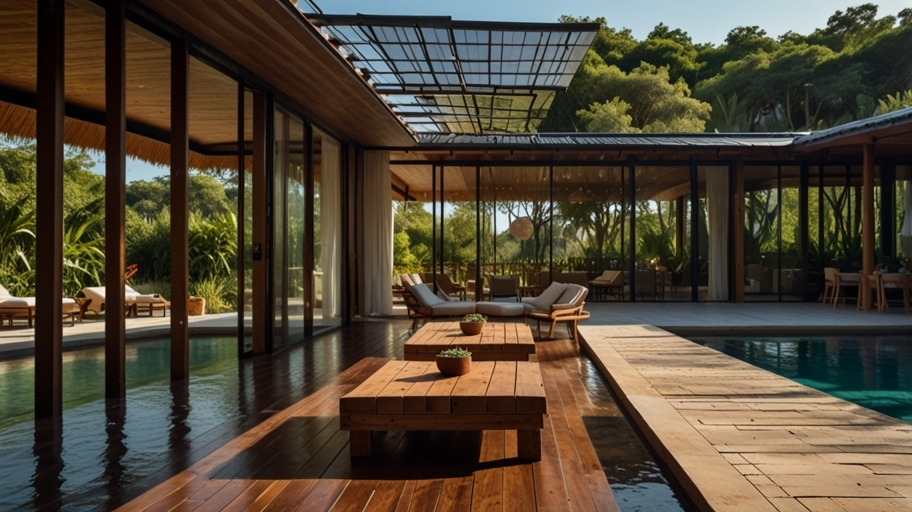
Resorts in the Maldives are increasingly adopting green practices, including the use of renewable energy, waste reduction, and water conservation measures. Some resorts are powered entirely by solar energy, while others have implemented desalination plants to provide fresh water without depleting the local water supply Sustainable building materials and eco-friendly design principles are becoming more prevalent, reducing the carbon footprint of new developments.
2. Coral Reef Conservation
Given the importance of coral reefs to the Maldives' ecosystem and tourism industry, many resorts are actively involved in coral restoration projects. Coral nurseries, where damaged reefs are regenerated and transplanted back into the ocean, are becoming a common feature of eco-conscious resorts Guests can participate in these initiatives, learning about marine conservation and contributing to the preservation of the reefs.
3. Sustainable Dining
Luxury dining in the Maldives is also evolving to align with sustainability goals. Many resorts are sourcing food locally to reduce the carbon footprint of imported goods. Farm-to-table dining experiences, where fresh, organic produce is grown on-site, are becoming a staple of eco-luxury resorts. Sustainable seafood practices are also being adopted, ensuring that marine life is not overexploited to meet the demands of tourists.
4. Plastic-Free Initiatives
Single-use plastics are a major environmental concern, particularly in a fragile ecosystem like the Maldives. Many luxury resorts are leading the charge in eliminating plastic waste. From banning plastic straws and bottles to providing guests with reusable alternatives, these initiatives are helping to reduce pollution and protect marine life.
The Role of Government and Policy in Promoting Sustainable Tourism
While private sector initiatives are crucial, the Maldivian government plays an essential role in steering the country's tourism industry toward sustainability. In 2019, the government announced a series of measures aimed at achieving net-zero carbon emissions by 2030. This ambitious target includes reducing the carbon footprint of the tourism sector, which is a major contributor to greenhouse gas emissions.
1. Green Tax
The Maldives has implemented a "Green Tax" on tourism, which is used to fund environmental protection and sustainability projects. This tax, while relatively small compared to the overall cost of a luxury vacation in the Maldives, helps to finance coral reef restoration, waste management, and renewable energy projects.
2. Sustainable Development Guidelines
The Maldivian government has also introduced guidelines for the sustainable development of resorts and tourism infrastructure. These guidelines emphasize the importance of preserving the natural environment, minimizing the impact of construction on fragile ecosystems, and promoting the use of renewable energy and sustainable materials.
3. Marine Protected Areas
In response to the degradation of coral reefs and marine ecosystems, the Maldivian government has established a network of Marine Protected Areas (MPAs). These areas are off-limits to fishing, development, and certain types of tourism, allowing ecosystems to recover and thrive . Luxury resorts located near MPAs are encouraged to support conservation efforts and promote responsible tourism practices among their guests.
Challenges in Implementing Sustainable Luxury Tourism
While the move toward sustainability in the luxury tourism sector is promising, it is not without challenges. Some of the key obstacles to achieving truly sustainable tourism in the Maldives include:
1. Economic Pressures
The Maldives' economy is heavily dependent on tourism, and there is often tension between the need for economic growth and environmental protection. Resort developers and investors may prioritize profit over sustainability, leading to environmentally damaging practices such as land reclamation, over-construction, and the destruction of coral reefs.
2. Overtourism
The popularity of the Maldives as a tourist destination poses a significant challenge to sustainability. The sheer number of visitors, combined with the limited resources of small islands, places immense pressure on local ecosystems. Managing tourism in a way that balances economic benefits with environmental conservation is a constant challenge for both the government and the private sector.
3. Climate Change
Perhaps the most significant challenge facing the future of sustainable luxury tourism in the Maldives is climate change. Rising sea levels, coral bleaching, and more frequent extreme weather events threaten the very existence of the Maldives' tourism industry. While sustainability initiatives can help mitigate some of the environmental impacts of tourism, the long-term survival of the Maldives depends on global efforts to combat climate change.
4. Cost of Sustainable Practices
Implementing sustainable practices, especially in remote island locations, can be expensive. Solar panels, desalination plants, and eco-friendly construction materials are costly, and these expenses are often passed on to consumers. While affluent travelers may be willing to pay a premium for sustainable luxury, the high cost of eco-friendly initiatives can be a barrier to widespread adoption.
The Future of Sustainable Luxury Tourism: Opportunities and Innovations
Despite these challenges, the future of sustainable luxury tourism in the Maldives is full of potential. As the demand for eco-conscious travel grows, there are numerous opportunities for innovation and improvement. Some of the key trends and developments that could shape the future of luxury tourism in the Maldives include:
1. Blue Economy Initiatives
The concept of the "blue economy" emphasizes the sustainable use of ocean resources for economic growth, improved livelihoods, and ecosystem health. In the Maldives, blue economy initiatives could play a crucial role in the future of tourism. By focusing on sustainable fishing, marine conservation, and renewable energy from the ocean, the Maldives can create a more resilient and eco-friendly tourism industry.
2. Technology and Innovation
Advances in technology are opening up new possibilities for sustainable tourism in the Maldives. For example, artificial intelligence (AI) and big data can be used to monitor and manage the environmental impact of tourism, ensuring that ecosystems are not overburdened. Renewable energy technologies, such as solar panels and energy-efficient cooling systems, are becoming more affordable and accessible, making it easier for resorts to reduce their carbon footprint.
3. Sustainable Transport
One of the biggest contributors to the carbon footprint of luxury tourism in the Maldives is air travel. However, innovations in sustainable transport, such as electric seaplanes and hydrogen-powered yachts, could significantly reduce the environmental impact of getting to and around the Maldives. Some resorts are already exploring the use of electric boats and other eco-friendly transport options for guests.
4. Community Involvement and Empowerment
Sustainable tourism is not just about protecting the environment; it's also about supporting local communities. The future of luxury tourism in the Maldives will likely see greater emphasis on community involvement and empowerment. By providing local communities with economic opportunities, education, and skills training, the tourism industry can help to create a more sustainable and inclusive future for the Maldives.
5. Holistic Wellness and Nature-Based Experiences
The future of luxury tourism in the Maldives is also likely to see a shift toward more holistic, nature-based experiences. Wellness tourism, which emphasizes physical and mental well-being, is increasingly becoming popular, and the Maldives' natural beauty provides the perfect backdrop for wellness retreats. From yoga on the beach to eco-friendly spa treatments, wellness-focused luxury tourism aligns with sustainability principles while offering a unique and memorable experience for guests.
Conclusion
The future of sustainable luxury tourism in the Maldives is a delicate balancing act between maintaining the high-end, exclusive appeal of the destination while protecting its fragile ecosystems and supporting local communities. As climate change and environmental degradation pose existential threats to the Maldives, the The tourism industry must adapt and evolve to ensure its long-term survival.
By embracing eco-luxury, supporting government initiatives, and leveraging new technologies and innovations, the Maldives has the potential to become a global leader in sustainable luxury tourism. In doing so, it can continue to offer unforgettable experiences to travelers while safeguarding its natural beauty for future generations.
Sustainability is no longer a luxury; it is a necessity. For the Maldives, the future of tourism lies in embracing this reality and redefining what it means to offer true luxury in a world that demands environmental responsibility.