The Growing Influence of Islamic Politics in Maldives' Governance
Introduction
The Maldives, an archipelagic nation located in the Indian Ocean, is globally recognized for its pristine beaches and turquoise waters. Beneath this idyllic exterior, however, lies a complex political landscape, heavily influenced by Islamic values. As a predominantly Muslim nation, Islam is ingrained in the Maldivian Constitution, its governance, and its societal values. In recent years, the country has seen the growing influence of Islamic politics, which has shaped policies, governance frameworks, and public life. This rise has been driven by multiple factors, including political interests, external influences, and societal pressures.
This article seeks to explore the growing influence of Islamic politics in the governance of the Maldives, tracing its historical roots, understanding the role of religion in the political framework, examining the rise of Islamic political movements, and assessing its implications for the country's future trajectory. ..
Historical Context: Islam in the Maldives
Islamic values have been part of Maldivian governance for centuries. In 1153 CE, the Maldives officially adopted Islam as its state religion, with the conversion of Sultan Mohamed bin Abdullah. This historical moment established Sunni Islam as the dominant religious force in the country , a status enshrined in the national identity ever since. Islam plays a central role in Maldivian life, both culturally and politically.

The Constitution of the Maldives declares Islam as the state religion, and it mandates that all citizens must be Muslims. This religious framework influences both public and private life, governing not only laws but also moral and ethical behavior. The significance of Islam in governance can be seen through its integration into the legal system, where Sharia law coexists with secular laws. Sharia governs personal matters such as marriage, divorce, and inheritance, while secular law addresses criminal and civil issues.
Historically, political leaders have used Islam to legitimize their rule. The sultans, who governed before the Maldives transitioned into a republic in 1968, were seen as Islamic rulers, leading the nation in both spiritual and political realms. This integration of religion and governance laid the foundation for modern Islamic politics in the Maldives.
The Rise of Islamic Politics in Modern Governance
Islamic politics in the Maldives began to emerge more prominently in the late 20th and early 21st centuries. Several factors contributed to this rise, including the global rise of Islamic revivalism, domestic dissatisfaction with governance, and the strategic use of Islam by political actors to gain support from the electorate.
1. Islamic Revivalism and the Global Influence
The rise of political Islam globally has had a significant impact on the Maldives. Throughout the late 20th century, the Islamic revivalist movement swept across the Muslim world, advocating for a return to the core tenets of Islam in political and social life. This wave of revivalism did not bypass the Maldives. Religious scholars, politicians, and even civil society actors began to call for greater adherence to Islamic principles in governance, seeing this as a solution to the country's political, social, and economic challenges.
Global Islamic movements, such as the Muslim Brotherhood and the Salafi movement, found sympathetic voices in the Maldives. Maldivian scholars trained abroad, particularly in Saudi Arabia, Egypt, and Pakistan, brought back ideas advocating for stricter adherence to Islamic governance. These ideas resonated with segments of the population who felt alienated by secular governance models.
2. The Role of Political Actors
Political actors in the Maldives have often used Islamic rhetoric to galvanize support and build their power bases. A clear example of this is the rise of the Adhaalath Party, an Islamist political party that gained prominence in the early 21st century. Founded in 2005, the Adhaalath Party advocates for the implementation of Islamic law in the Maldives and has positioned itself as the guardian of Islamic values in the country's political discourse.
The party's influence in governance became particularly visible during the 2012 political crisis that led to the resignation of President Mohamed Nasheed, the country's first democratically elected president. The Adhaalath Party was a key player in the protests that culminated in Nasheed's resignation, with the party accusing Nasheed of undermining Islamic values. This marked a pivotal moment where Islamic political actors demonstrated their ability to shape the national political landscape.
Additionally, political leaders, regardless of their ideological leanings, have found it politically advantageous to align themselves with Islamic principles. This includes both the ruling governments and opposition parties, who often invoke Islamic rhetoric to legitimize their policies or criticize their opponents. In such a context, Islam is not merely a religious framework but a strategic tool used to win elections and secure political power.
3. Societal Pressure and Religious Conservatism
In recent years, there has been growing societal pressure for a more conservative interpretation of Islam in Maldivian governance. This is partially a result of the country's increasing exposure to more conservative Islamic interpretations from abroad, particularly through scholars trained in Saudi Arabia. These scholars have promoted a more rigid version of Islam, which has found fertile ground among segments of the Maldivian population.
The influence of conservative Islamic values is visible in various aspects of public life, from the rise of conservative dress codes for women to the banning of certain forms of entertainment deemed un-Islamic. This societal shift has placed pressure on politicians to adopt policies that reflect the conservative values of their constituencies, further embedding Islamic politics in governance.
One example of the growing conservatism is the increasing calls for the full implementation of Sharia law. While the Maldives operates a dual legal system, where Sharia coexists with secular laws, some groups are advocating for a stricter adherence to Islamic law in all aspects of governance This includes calls for more stringent punishments for crimes, such as theft and apostasy, which are viewed through the lens of Sharia.
The Institutionalization of Islamic Politics in Governance
The growing influence of Islamic politics in the Maldives can be observed in the institutionalization of Islamic principles in governance. Several key developments highlight this trend:
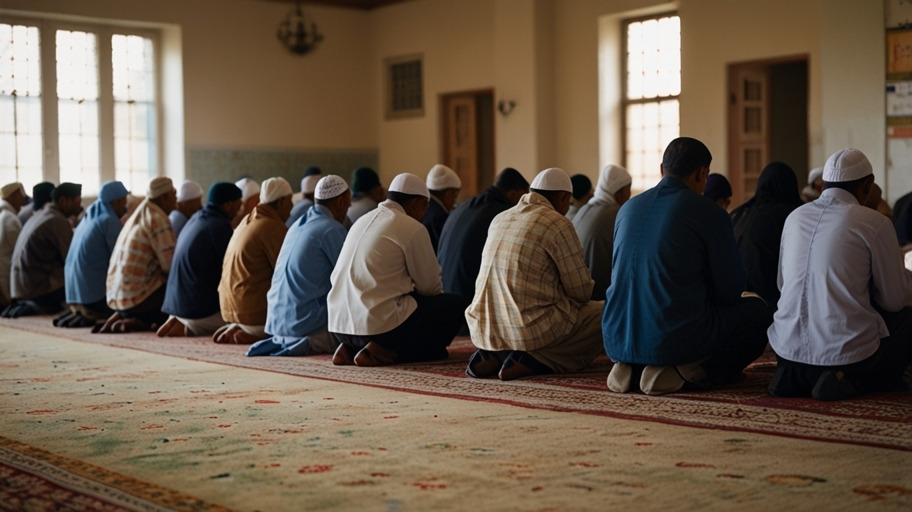
1. The Constitution and Islamic Law
The Maldivian Constitution, adopted in 2008, enshrines Islam as the basis of all laws and policies. Article 10 of the Constitution explicitly states that the Maldives is a 100% Muslim country and that laws cannot be enacted if they contradict Islamic principles. This constitutional framework provides a legal foundation for the growing influence of Islamic politics in governance.
Furthermore, the judicial system in the Maldives is deeply influenced by Sharia law. While the legal system incorporates elements of both Islamic and common law, Sharia plays a dominant role in personal and family law matters. Additionally, the courts are empowered to interpret laws through an Islamic lens, giving religious scholars and Islamic judges significant influence in governance.
2. The Ministry of Islamic Affairs
The establishment of the Ministry of Islamic Affairs in 2008 marked a significant institutionalization of Islamic politics in governance. The ministry is responsible for overseeing religious affairs in the country, including the regulation of mosques, the administration of religious education, and the issuance of fatwas ( Islamic legal opinions). The ministry plays a crucial role in shaping public policy by ensuring that laws and policies align with Islamic principles.
The Ministry of Islamic Affairs also regulates religious sermons and the content taught in religious schools. This gives the government significant control over the religious narrative in the country, allowing it to shape public opinion on key issues related to governance and morality.
3. Islamic Political Parties
Islamic political parties, most notably the Adhaalath Party, have become key players in Maldivian politics. The Adhaalath Party's influence has grown steadily since its inception, and it has been involved in several coalition governments. The party's advocacy for Islamic governance and its opposition to perceived Secularism has resonated with many voters, particularly those who feel that Islam should play a central role in the country's political and social life.
The Adhaalath Party has used its position in government to push for policies that reflect its conservative Islamic values. This includes advocating for stricter regulations on alcohol consumption, promoting Islamic education, and calling for the full implementation of Sharia law.
Challenges and Criticisms of Islamic Politics
While the growing influence of Islamic politics has been welcomed by some, it has also faced significant criticism. One of the main concerns is that the rise of Islamic politics could undermine the Maldives' democratic institutions and lead to increased religious intolerance.
1. Democracy and Islamic Governance
The intersection of Islamic politics and democracy in the Maldives presents a complex challenge. While Islamic political actors have participated in democratic elections and have used democratic mechanisms to gain power, there is concern that the growing influence of Islamic politics could erode democratic freedoms. For example , critics argue that the push for stricter Islamic laws could lead to restrictions on freedom of expression, women's rights, and religious freedom.
The debate over the compatibility of democracy and Islamic governance is ongoing in the Maldives. While some Islamic political actors argue that Islam and democracy can coexist, others advocate for a more theocratic model of governance, where Islamic law is the supreme authority.
2. Religious Intolerance and Radicalization
Another challenge posed by the rise of Islamic politics is the potential for increased religious intolerance and radicalization. There have been growing reports of religious intolerance in the Maldives, with conservative groups targeting who express views deemed contrary to Islamic principles. This includes attacks on liberal activists, journalists, and politicians who advocate for secularism or progressive values.
Moreover, the Maldives has seen a rise in radicalization in recent years, with reports of Maldivian citizens joining extremist groups abroad. This has raised concerns about the potential for extremist ideologies to take root in the country, particularly as Islamic politics continues to gain influence.
Conclusion: The Future of Islamic Politics in the Maldives
The growing influence of Islamic politics in the Maldives is reshaping the country's governance and societal values. While Islamic principles have always played a central role in Maldivian governance, the rise of Islamic political movements, the influence of conservative religious scholars, and societal pressure for more adherence to Islamic law have intensified the role of Islam in public life.

The future of Islamic politics in the Maldives will depend on how the country navigates the tension between democracy and Islamic governance, as well as the challenges posed by religious conservatism and radicalization. While Islamic politics has brought some benefits, such as promoting moral governance and religious unity, it also poses risks to the country's democratic institutions and social cohesion.
As the Maldives continues to evolve, it will be crucial for policymakers, religious leaders, and civil society actors to strike a balance between upholding Islamic values and preserving democratic freedoms. Only by addressing these challenges can the Maldives ensure a stable and prosperous future for its citizens