How the Maldives is Addressing the Growing Threat of Plastic Pollution
Introduction
The Maldives, an archipelago of over 1,000 small islands nestled in the Indian Ocean, is globally renowned for its stunning beaches, vibrant coral reefs, and crystal-clear turquoise waters. However, this paradise is facing an escalating environmental crisis: plastic pollution. With the ocean surrounding the islands being both a lifeline and a source of national identity, the Maldivian government, local communities, and environmental activists are working collectively to combat the growing threat of plastic waste. This article will explore the scale of plastic pollution in the Maldives , its devastating impact, and the wide array of initiatives, policies, and grassroots efforts currently being undertaken to address this critical issue.
The Growing Plastic Pollution Crisis in the Maldives
A Global Issue with Local Consequences
Plastic pollution is a global environmental challenge, with an estimated 8 million tons of plastic entering the world's oceans each year. The Maldives, due to its geography, population growth, and reliance on tourism, faces a disproportionately severe impact. Located at the crossroads of major oceanic currents, the Maldives is particularly vulnerable to marine plastic debris carried by currents from other parts of the world. tested, plastic waste accumulates on the shores of even the most remote and uninhabited islands in the country.
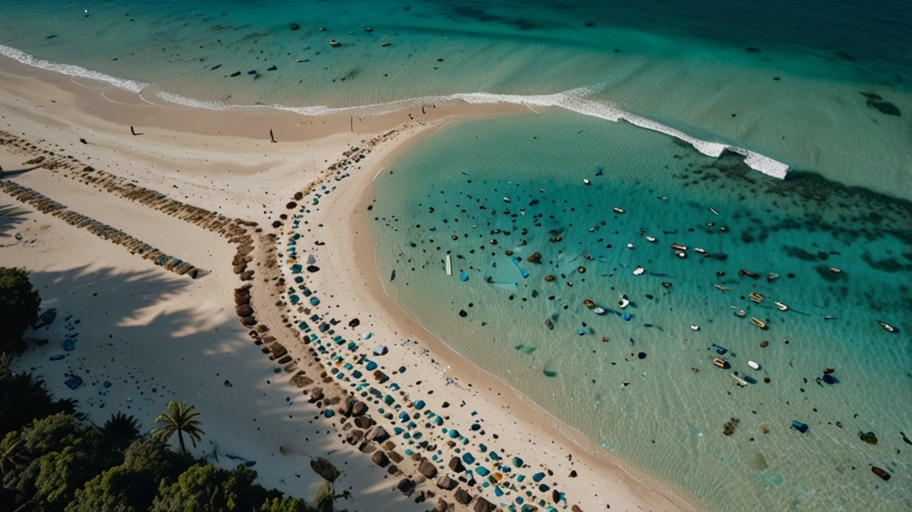
In addition to the global influx of plastic waste, the Maldives generates a significant amount of plastic domestically. Plastic consumption in the Maldives is particularly high in relation to the tourism industry, which sees millions of visitors annually. Plastic bottles, single-use packaging, and other plastic products are part of the everyday tourism experience. Furthermore, with limited land area and infrastructure, the Maldives faces challenges in managing and disposing of its waste, especially plastic.
Key Sources of Plastic Pollution in the Maldives
Plastic pollution in the Maldives stems from a variety of sources, both local and international. The most prominent include:
-
Single-use plastics : Disposable plastics such as water bottles, straws, plastic bags, and packaging are widely used in the Maldives, particularly within the tourism sector. Tourists frequently purchase bottled water and other beverages packaged in plastic due to concerns about the safety of tap water.
- Marine plastic debris : The Maldives is downstream of major oceanic currents, particularly the Indian Ocean Gyre, which transports plastic waste from surrounding countries. This leads to large quantities of plastic debris washing up on the islands, some of which originates from thousands of miles away .
- Tourism waste : The Maldives' tourism industry is a double-edged sword, contributing significantly to the national economy but also to plastic waste. High visitor numbers generate enormous amounts of plastic waste, including water bottles, food packaging, toiletries, and other plastic products typically used by resorts and tourists.
- Inadequate waste management infrastructure : Waste management is a complex issue in the Maldives, given its dispersed geography and limited land resources. Most waste, including plastic, is transporting to Thilafushi, an artificial island used as a landfill. However, this method of disposal is neither sustainable nor environmentally friendly.
The Impact of Plastic Pollution on the Maldives
Plastic pollution poses a multi-faceted threat to the Maldives, impacting its environment, marine life, economy, and public health.
Environmental Impact
The Maldives is a fragile ecosystem that depends heavily on the health of its marine environment. Plastic waste on land and in the sea has serious ecological consequences. On land, discarded plastic clogs drainage systems, causes flooding during monsoon rains, and leaches toxic chemicals into the soil. More critically, in the marine environment, plastic pollution endangers coral reefs, seagrass meadows, and mangroves, all of which are crucial for coastal protection, biodiversity, and carbon sequestration.
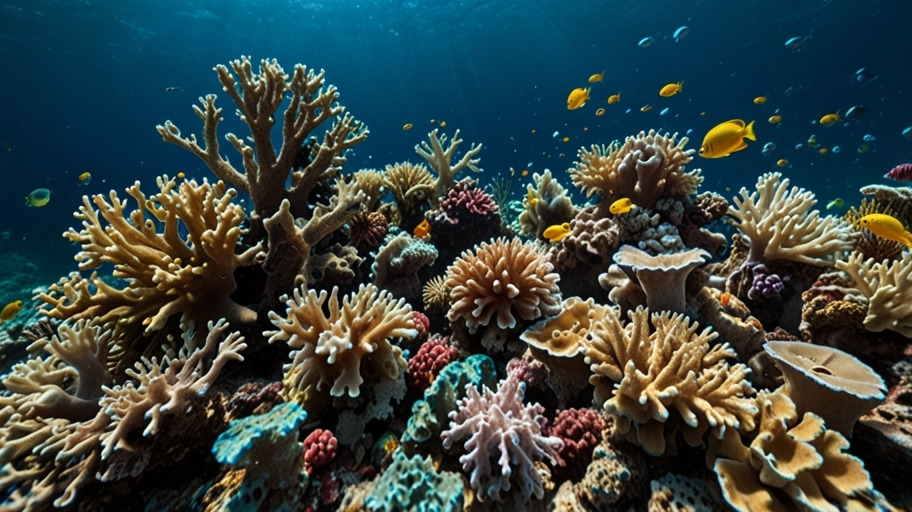
Coral reefs are particularly vulnerable, as plastics can smother and weaken corals, making them more susceptible to disease. The degradation of coral reefs, in turn, jeopardizes the entire marine ecosystem, affecting the multitude of species that rely on these habitats for shelter and food .
Impact on Marine Life
Marine life is especially vulnerable to plastic pollution. Plastic debris is frequently mistaken for food by marine animals such as sea turtles, fish, and seabirds. Once ingested, plastic can cause blockages, starvation, and death. Moreover, microplastics—tiny plastic particles that result from the breakdown of larger debris—are entering the food chain, posing potential health risks to marine species and, ultimately, humans who consume seafood.
Entanglement is another major issue, with animals such as dolphins, turtles, and seabirds getting trapped in fishing abandoned gear or other forms of plastic waste, leading to injury, suffocation, and death.
Economic Impact
The Maldives' economy is inextricably linked to its environment, with tourism and fisheries being the primary economic drivers. The degradation of coral reefs and beaches due to plastic pollution directly impacts the tourism industry, which relies on the allure of pristine natural beauty. strewn beaches and dying reefs deter visitors, threatening a sector that contributes around 30% of the country's GDP. Similarly, the fishing industry, which provides a livelihood for many Maldivians, is vulnerable to plastic pollution. Contaminated waters and declining fish stocks caused by plastic Debris can lead to reduced fish catches and diminished income for fishers.
Public Health Concerns
In addition to environmental and economic concerns, plastic pollution poses serious public health risks. The burning of plastic waste, a common disposal practice in the Maldives due to limited land space, releases harmful toxins into the air, which can lead to respiratory issues and other health problems for the local population. Furthermore, the presence of microplastics in seafood raises concerns about the long-term health impacts of plastic exposure for humans.
Initiatives to Combat Plastic Pollution in the Maldives
Recognizing the urgent need to address plastic pollution, the Maldivian government, civil society, and the private sector have launched a variety of initiatives aimed at reducing plastic waste, promoting sustainable practices, and raising public awareness. These initiatives encompass policy measures, international collaborations, community-led efforts, and innovations in waste management.
Government Policy and Regulation
In recent years, the Maldivian government has taken significant steps to curb plastic pollution through legislation and policy reforms. Some of the key measures include:
-
Single-use plastic ban : In December 2019, the Maldivian government announced a phased ban on single-use plastics, with the aim of eliminating these products by 2023. The ban covers a wide range of items, including plastic bags, water bottles, straws , cutlery, and packaging. This ambitious policy seeks to reduce plastic waste at its source and encourages the adoption of eco-friendly alternatives such as reusable bags and biodegradable materials.
- Plastic bag levy : In 2022, the government introduced a plastic bag levy, which imposes a fee on the use of plastic bags in retail outlets. This measure aims to discourage consumers from using plastic bags and to incentivize the use of reusable bags.
- Waste management improvements : The government is also investing in the development of improved waste management infrastructure. This includes the construction of waste-to-energy plants, recycling facilities, and better waste collection systems across the atolls. A key part of this strategy is reducing the reliance on Thilafushi Island as a landfill site.
- International partnerships : The Maldives has sought to collaborate with international organizations and neighboring countries to address plastic pollution. For example, the Maldives is a member of the United Nations Environment Programme's Clean Seas Campaign, which seeks to combat marine plastic litter. The country is also working with the Indian Ocean Commission to tackle transboundary plastic pollution.
Community-Led Efforts and Environmental Activism
In addition to government actions, local communities and environmental activists play a crucial role in the fight against plastic pollution. Grassroots initiatives, awareness campaigns, and community clean-up drives have been instrumental in promoting sustainable practices and reducing plastic waste at the local level.
-
NGO initiatives : Several non-governmental organizations (NGOs) in the Maldives, such as the Save the Beach Maldives and Parley for the Oceans , are actively involved in tackling plastic pollution. These organizations engage in activities such as beach clean-ups, public awareness campaigns, and educational programs that teach Maldivians about the dangers of plastic pollution and how to reduce their plastic footprint.
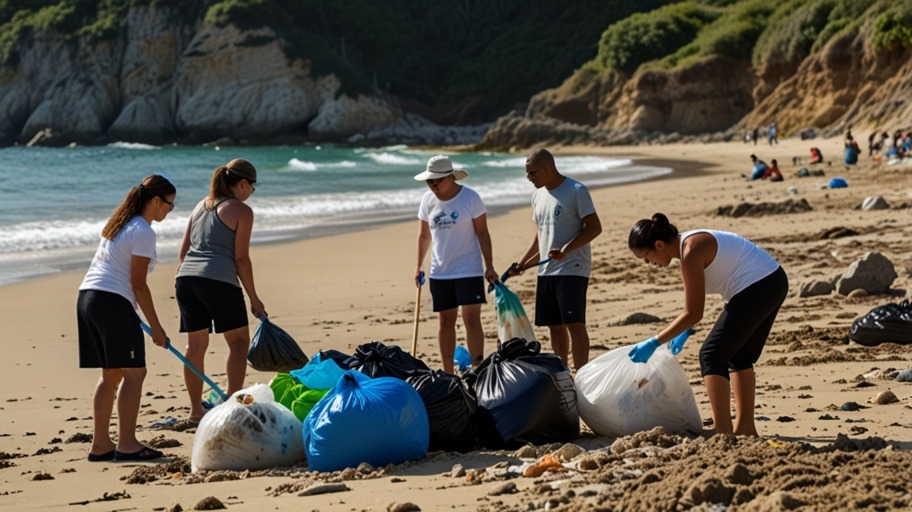
- Community clean-up drives : Across the Maldives, local communities regularly organize beach and lagoon clean-up activities. These events, often led by youth groups, schools, and environmental organizations, not only remove plastic waste from the environment but also foster a sense of environmental stewardship among participants.
- Promoting alternatives to plastic : Local entrepreneurs and businesses are increasingly offering alternatives to plastic products, such as reusable water bottles, bamboo straws, and cloth bags. These efforts, supported by both the government and civil society, aim to shift consumer behavior toward more sustainable options.
Innovations in Plastic Waste Management
Innovative approaches to managing plastic waste are also emerging in the Maldives, as both local and international organizations explore new technologies and strategies to recycle and repurpose plastic waste.
-
Plastic recycling initiatives : While recycling infrastructure in the Maldives remains underdeveloped, there are growing efforts to establish recycling programs for plastic waste. Organizations such as Parley for the Oceans have introduced recycling initiatives that collect plastic waste from the islands and transform it into new products. These programs also involve local communities in plastic collection and sorting activities, creating economic opportunities in the process.
- Waste-to-energy projects : The Maldives is investing in waste-to-energy technologies as part of its broader waste management strategy. These projects aim to convert plastic waste, along with other forms of waste, into energy that can be used to power local communities, thereby reducing the volume of waste sent to landfills and minimizing the environmental impact of waste disposal.
- Biodegradable alternatives : Some companies in the Maldives are exploring the use of biodegradable materials as substitutes for plastic. For example, coconut husk-based products are being developed as an alternative to plastic packaging. These innovations not only reduce plastic waste but also support local industries and promote sustainability.
Conclusion
The Maldives faces a formidable challenge in addressing the growing threat of plastic pollution, but significant progress is being made at various levels. Government policies, community initiatives, and innovations in waste management are all contributing to a concerted effort to reduce plastic waste and protect the environment. However, much work remains to be done. The success of these efforts will depend on continued collaboration between the government, civil society, the private sector, and the international community.
By embracing sustainable practices and addressing plastic pollution head-on, the Maldives can safeguard its unique environment, preserve its marine ecosystems, and ensure the long-term viability of its tourism and fishing industries. As the Maldives confronts this environmental crisis, it also has the opportunity to serve as a model for other island nations and coastal communities facing similar challenges from plastic pollution.