How the Maldives is Tackling Marine Biodiversity Conservation
The Maldives, an archipelagic nation in the Indian Ocean, is renowned for its stunning white-sand beaches, turquoise waters, and vibrant marine life. Its unique geography, comprising approximately 1,190 coral islands grouped into 26 atolls, offers a sanctuary to a wide array of marine species. However, the Maldives' marine biodiversity faces significant threats prompted from climate change, overfishing, and pollution. These challenges have the nation to adopt rigorous marine biodiversity conservation efforts, aligning sustainable development with environmental preservation.
This article delves into the various strategies and initiatives the Maldives has undertaken to conserve its marine biodiversity, the challenges it faces, and the future prospects of its marine ecosystems.
The Importance of Marine Biodiversity in the Maldives
The Maldives' marine biodiversity is among the richest in the world. Its coral reefs, which span over 3,000 kilometers, serve as vital ecosystems for countless species. These reefs are home to over 1,100 species of fish, 200 species of coral, and numerous invertebrates such as sponges, mollusks, and crustaceans. Additionally, the Maldives hosts several species of sea turtles, sharks, rays, and marine mammals, such as dolphins and whales.
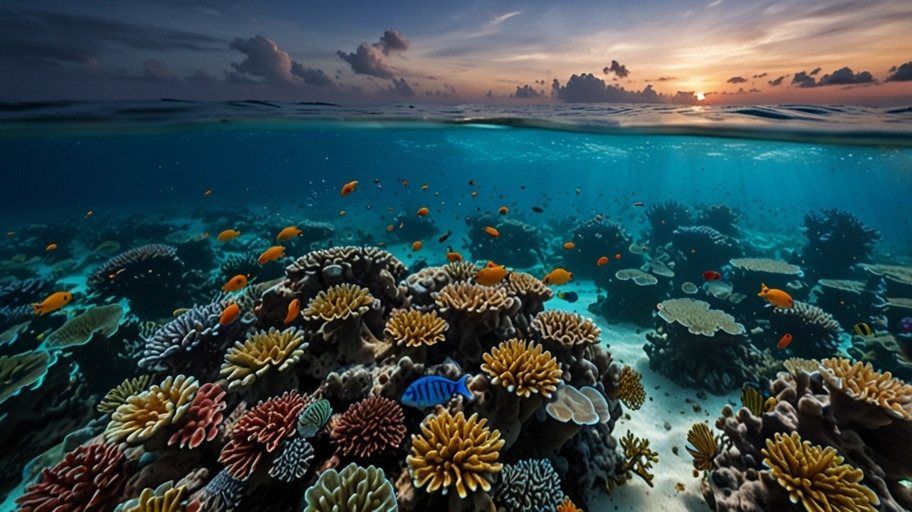
Marine biodiversity plays a crucial role in the Maldives' economy, particularly through tourism and fisheries. Tourism, which accounts for about 28% of the country's GDP, is heavily reliant on the health of marine ecosystems. Tourists flock to the Maldives for activities such as snorkeling, diving, and dolphin watching, which directly depend on vibrant coral reefs and abundant marine life. The fisheries sector, particularly tuna fishing, is another key contributor to the Maldivian economy, both in terms of employment and exports. Protecting marine biodiversity, therefore , is not only an environmental priority but also an economic necessity for the Maldives.
Major Threats to Marine Biodiversity in the Maldives
1.Climate Change and Coral Bleaching
The Maldives is highly vulnerable to the effects of climate change, particularly rising sea temperatures and sea level rise. Coral bleaching, one of the most significant threats to marine biodiversity, occurs when coral reefs are exposed to prolonged warm water temperatures, leading to the expulsion of symbiotic algae (zooxanthellae) that give corals their color and energy. Without these algae, corals become white or "bleached" and eventually die if stressful conditions persist.
The Maldives experienced major coral bleaching events in 1998 and 2016 due to unusually high sea temperatures caused by El Niño events. These bleaching events caused significant damage to coral reefs, with up to 90% of shallow-water corals affected in some areas. Recovery has has been slow, and the recurrence of such events due to global warming remains a major concern for the future of the Maldives' coral reefs.
2. Overfishing
Overfishing is another serious threat to marine biodiversity in the Maldives. While the Maldives has a long history of sustainable fishing practices, such as pole-and-line tuna fishing, increased demand for fish, both domestically and for export, has led to concerns about the overexploitation of certain species. The overfishing of reef fish, in particular, has disrupted the balance of marine ecosystems, as many species of fish play a crucial role in maintaining the health of coral reefs by controlling algae growth and providing food for larger predators.
Shark populations in the Maldives have also been affected by overfishing, driven in part by the demand for shark fins in international markets. Although shark fishing has been banned in the Maldives since 2010, illegal fishing activities still pose a threat to these apex predators.
3.Pollution and Waste Management
Marine pollution, particularly plastic waste, is an emerging threat to the Maldives' marine biodiversity. As an island nation, the Maldives produces a significant amount of waste, much of which ends up in the ocean due to inadequate waste management infrastructure. Marine animals, including turtles, fish, and seabirds, can ingest or become entangled in plastic debris, leading to injury or death.
Additionally, pollution from boat traffic, oil spills, and agricultural runoff can degrade marine habitats, particularly coral reefs and seagrass beds, which are essential for the survival of many marine species.
4. Coastal Development
Coastal development, driven by tourism and urbanization, poses a significant threat to the Maldives' marine ecosystems. The construction of resorts, harbors, and infrastructure often leads to the destruction of mangroves, seagrass beds, and coral reefs. Dredging and land reclamation activities can cause sedimentation, which smothers coral reefs and disrupts the feeding and breeding patterns of marine organisms.
The Maldives' Approach to Marine Biodiversity Conservation
Given the threats to its marine ecosystems, the Maldives has implemented various policies, initiatives, and programs aimed at protecting and conserving its marine biodiversity. These efforts involve a combination of government-led policies, community engagement, scientific research, and partnerships with international organizations .
1. Marine Protected Areas (MPAs)
One of the most effective tools for conserving marine biodiversity in the Maldives is the establishment of Marine Protected Areas (MPAs). MPAs are designated zones where human activities, such as fishing and tourism, are regulated to protect marine ecosystems and allow biodiversity to thrive.
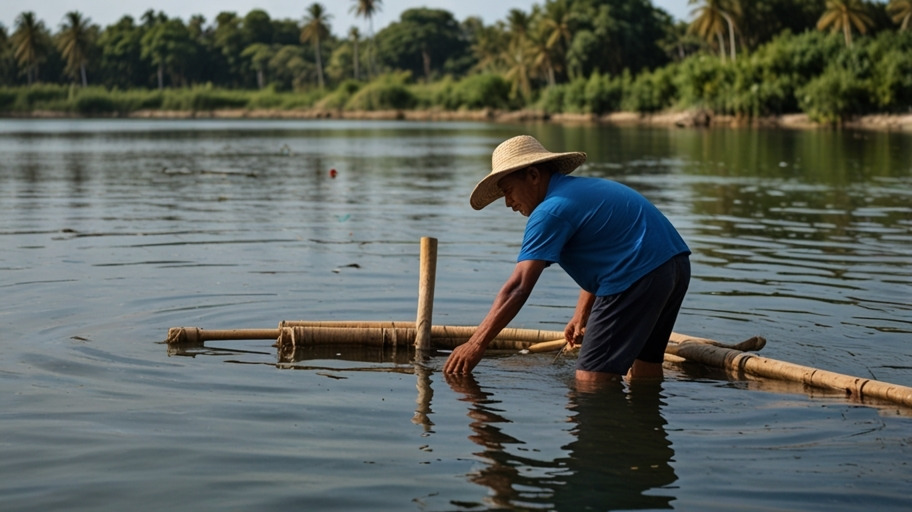
The Maldives has established several MPAs, including the Baa Atoll Biosphere Reserve, which was designated as a UNESCO World Biosphere Reserve in 2011. The Baa Atoll is home to a diverse array of marine species, including manta rays, whale sharks, and vibrant coral reefs . The reserve aims to promote sustainable development and conservation by local communities in managing the area and fostering eco involving-tourism.
MPAs in the Maldives serve as refuge areas where marine species can breed and grow without the pressures of human activities. They also help to maintain the overall health of marine ecosystems by ensuring the protection of critical habitats such as coral reefs, mangroves, and seagrass beds .
2. Shark Conservation Initiatives
Sharks play a vital role in maintaining the balance of marine ecosystems, acting as apex predators that regulate the populations of other species. Recognizing the importance of sharks, the Maldivian government took a significant step in 2010 by banning shark fishing throughout its waters, effectively declaring the Maldives a shark sanctuary.
Since the ban, the Maldives has worked to enforce shark conservation measures through patrols, surveillance, and community engagement. The shark ban has had a positive impact on the recovery of shark populations, and the Maldives is now a popular destination for shark diving tourism. Protecting sharks has not only contributed to marine biodiversity conservation but also boosted eco-tourism, providing an alternative livelihood for local communities.
3.Coral Reef Restoration Projects
Given the importance of coral reefs to the Maldives' marine biodiversity and economy, the country has initiated several coral reef restoration projects. These projects involve the transplantation of coral fragments onto artificial structures or degraded reef areas, allowing them to grow and eventually restore damaged reefs .
One project is the Coral Reef Rehabilitation Program led by the Maldives Coral Institute. This program focuses on promoting coral growth by creating coral nurseries and using artificial reefs to support coral regeneration. By restoring coral reefs, these initiatives aim to enhance biodiversity, improve fish populations , and increase the resilience of marine ecosystems to climate change.
Additionally, many resorts in the Maldives have partnered with conservation organizations to support coral restoration. These initiatives involve guests in coral planting activities, raising awareness about the importance of reef conservation while contributing to the restoration process.
4. Sustainable Fisheries Management
Sustainable fishing practices are essential for maintaining the health of marine ecosystems and ensuring the long-term viability of the Maldives' fisheries sector. The Maldivian government has taken steps to manage fisheries sustainably by enforcing regulations that limit catch sizes, prohibit the use of harmful fishing gear, and establishing fishing quotas.
The Maldives is a global leader in sustainable tuna fishing, particularly with its pole-and-line method, which is widely recognized for being eco-friendly and reducing bycatch (the capture of non-target species). The Maldives has also been certified by the Marine Stewardship Council (MSC) for its sustainable tuna fisheries, which enhances its reputation in international markets.
In addition to managing commercial fisheries, the Maldives has introduced measures to protect reef fish populations, such as banning the fishing of certain species during their spawning seasons. These efforts help maintain the balance of marine ecosystems and protect biodiversity.
5. Community-Based Conservation
Community involvement is a key component of marine biodiversity conservation in the Maldives. The government and conservation organizations have engaged local communities in various initiatives aimed at protecting marine ecosystems, such as coral reef monitoring, waste management, and sustainable fishing practices.
For example, the Maldives Whale Shark Research Program (MWSRP) is a community-based initiative that involves local communities in whale shark conservation and research. The collect programs data on whale shark populations and promotes sustainable tourism practices that minimize the impact of human activities on These gentle giants.
Local communities also play a role in managing MPAs and participating in coral restoration projects, fostering a sense of ownership and responsibility for protecting marine biodiversity.
6. Addressing Marine Pollution
Recognizing the threat of plastic pollution to marine biodiversity, the Maldives has taken steps to address waste management and reduce plastic waste. In 2019, the Maldivian government announced a plan to phase out single-use plastics by 2023, which includes banning the import of plastic bags, bottles, and straws.
Several NGOs and resorts have also launched initiatives to reduce plastic waste and promote recycling. For instance, the Parley for the Oceans initiative, in collaboration with the Maldives government, has focused on collecting and recycling plastic waste, raising awareness about the impact of plastic pollution on marine ecosystems.
7. International Cooperation and Climate Advocacy
The Maldives has been a vocal advocate for global action on climate change, recognizing that the survival of its marine ecosystems depends on the reduction of global greenhouse gas emissions. As one of the most vulnerable nations to climate change, the Maldives has played a leading role in international climate negotiations, urging stronger commitments to limit global temperature rise.
The Maldives is also a member of the Indian Ocean Tuna Commission (IOTC) and works with other nations in the region to promote sustainable fisheries management and combat illegal fishing activities. By collaborating with international organizations and other countries, the Maldives strengthens its capacity to address transboundary threats to marine biodiversity.
Challenges and Future Prospects
Despite the progress made in marine biodiversity conservation, the Maldives faces several challenges. Climate change remains the most significant threat, with rising sea temperatures and coral bleaching posing existential risks to the country's coral reefs. Additionally, enforcing regulations in a vast ocean territory with limited resources can be challenging, particularly in addressing illegal fishing and protecting MPAs.
The success of the Maldives' marine biodiversity efforts conservation will depend on continued investment in research, enforcement, and community engagement. Strengthening partnerships with international organizations and leveraging new technologies, such as satellite monitoring and marine spatial planning, will also be crucial.
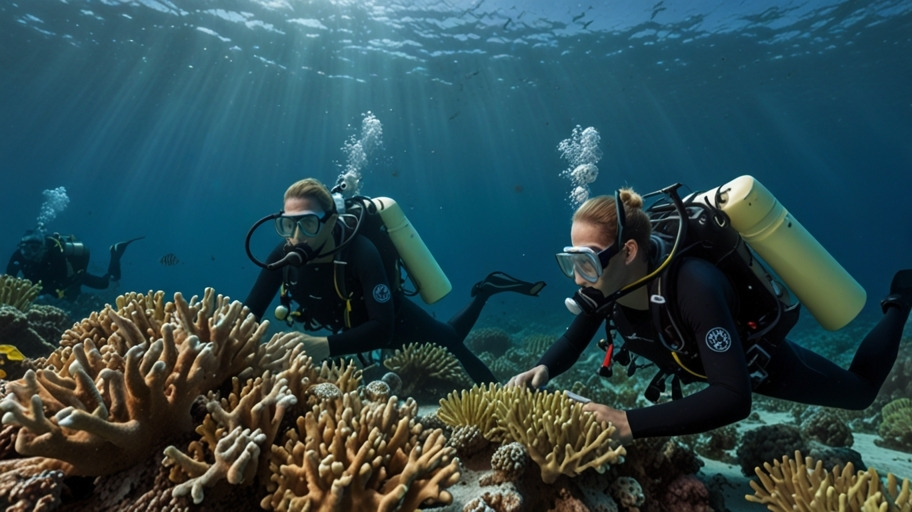
The future of the Maldives' marine biodiversity hinges on the ability to adapt to the changing climate, manage human activities sustainably, and foster a conservation ethic that prioritizes long-term environmental health over short-term economic gains.
Conclusion
The Maldives is a global leader in marine biodiversity conservation, setting an example for other island nations facing similar challenges. Through a combination of MPAs, sustainable fisheries management, community-based conservation, and international cooperation, the Maldives is working to protect its rich marine ecosystems for future generations. However, the long-term success of these efforts will depend on addressing the root causes of climate change and continuing to prioritize the health of marine biodiversity in national development plans.