The Role of Tourism in Maldives' Economic Growth and Environmental Sustainability
The Maldives, a collection of approximately 1,190 coral islands grouped in 26 atolls, has become one of the world's most celebrated tourism destinations. Its turquoise lagoons, white sandy beaches, and vibrant coral reefs draw millions of tourists each year. However, tourism is not just a luxury experience in the Maldives; it plays a crucial role in shaping the country's economic growth and its approach to environmental sustainability. The balance between these two elements—economic expansion and ecological conservation—underpins the future of the Maldives.
Tourism: The Engine of Economic Growth in the Maldives
The Maldives has transformed its economy dramatically over the last few decades. Historically, the economy relied heavily on fishing, but starting in the 1970s, the tourism industry became the dominant sector. Today, tourism directly and indirectly supports more than 60% of the country's GDP and accounts for nearly 90% of government tax revenue from tourism-related sectors like hotels, restaurants, and entertainment.
Economic Impact of Tourism
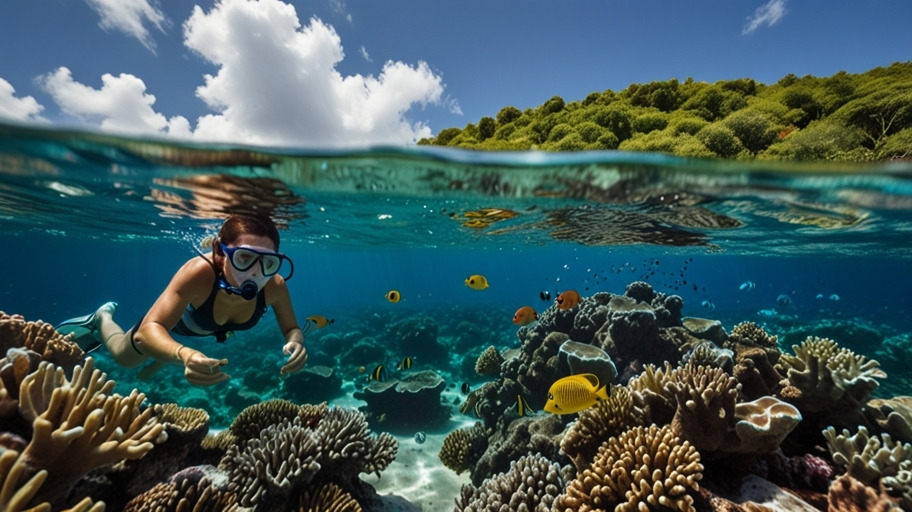
- Employment Generation Tourism is the largest employer in the Maldives. Direct employment comes from jobs in hotels, resorts, restaurants, and transport, while indirect employment is generated in sectors like agriculture, fishing, and services. Given that tourism is a labor-intensive industry , it has created thousands of jobs for Maldivians and expatriates. The influx of tourist dollars has also boosted local businesses that cater to resorts and tourism, thus improving the standard of living for many locals.
-
Infrastructure Development The development of tourism has also led to a significant improvement in the country's infrastructure. New airports, seaports, and roads have been built, and the telecommunications network has been upgraded. Islands that were previously inaccessible have been transformed into luxury resorts, bringing modern amenities to remote areas. The capital, Malé, has benefited from this influx of capital with better healthcare, education, and social services.
- Foreign Exchange Earnings Tourism is the largest source of foreign exchange in the Maldives. The country's economy is dependent on imported goods, from food and construction materials to fuel and machinery, and tourism brings in the necessary foreign currency to pay for these imports. This has helped stabilize the Maldivian currency and has made the country less reliant on foreign aid.
- Investment and Business Opportunities The booming tourism industry has attracted significant foreign investment in the hospitality sector. International hotel chains, resorts, and real estate developers have established a presence in the Maldives, bringing in millions of dollars in investment. The growth of tourism has also encouraged local entrepreneurs to start businesses related to tourism, such as travel agencies, diving schools, and cultural tours.
Challenges to Economic Growth Through Tourism
Despite its many benefits, the tourism industry in the Maldives faces several challenges that threaten its sustainability as a driver of economic growth.
-
Overreliance on Tourism The Maldivian economy is overly dependent on tourism, making it vulnerable to external shocks. Natural disasters, political instability, and global economic crises can all lead to a sudden drop in tourist numbers. The COVID-19 pandemic was a stark reminder of This risk when the country experienced a significant decline in tourist arrivals, which had a devastating impact on the economy. Diversifying the economy remains a key challenge for Maldivian policymakers.
- Inflation and Cost of Living While tourism has brought prosperity to the Maldives, it has also led to inflation and a rise in the cost of living. With a large number of expatriates working in the tourism sector, demand for goods and services has risen, pushing up prices. Moreover, because the country imports most of its goods, any fluctuation in global prices affects local inflation.
- Social Disparities Tourism has created wealth, but not all Maldivians have benefited equally. Most of the tourism development is concentrated in resort islands, while other islands lag behind in terms of economic development. In some cases, locals have been displaced from their land to make way for resort development, creating social tensions.
Environmental Sustainability and Tourism in the Maldives
The Maldives is globally recognized not just for its tourism but also for its fragile environment. As a low-lying island nation, the Maldives is extremely vulnerable to climate change, particularly rising sea levels, coastal erosion, and coral reef degradation. The Maldivian government , along with local and international stakeholders, is grappling with how to balance the economic benefits of tourism with the urgent need to protect its natural environment.
Environmental Challenges Posted by Tourism
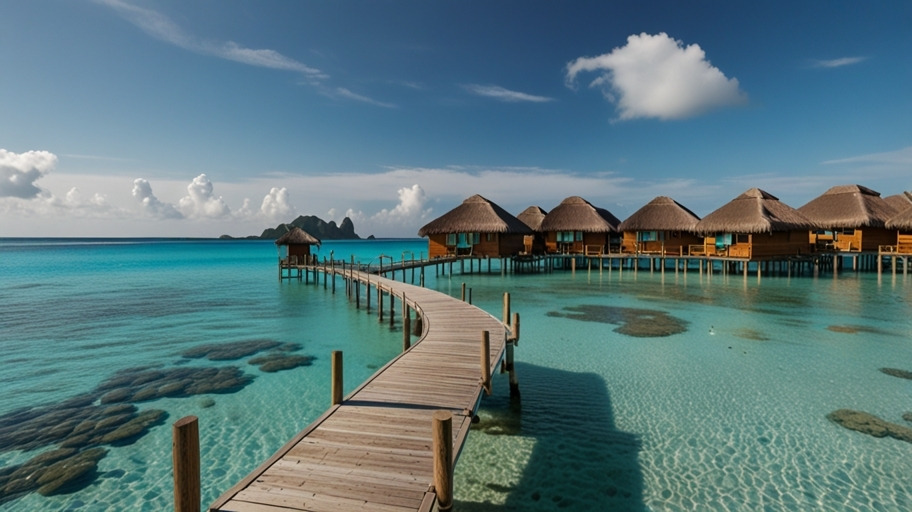
- Coral Reef Destruction The Maldives is home to some of the world's most diverse and beautiful coral reefs, which are crucial for marine biodiversity and act as natural barriers against storms. However, coral reefs are under threat from both human activities and climate change. Resort development often involves dredging lagoons and constructing overwater villas, which can damage reefs. Additionally, activities like snorkeling, diving, and boating put stress on the coral ecosystem, as careless tourists or operators can harm fragile coral structures.
-
Waste Management Issues The Maldives faces a significant waste management problem, exacerbated by tourism. Each tourist generates about 3.5 kg of waste per day, much of which is non-biodegradable plastic. Many resorts are located on small, isolated islands without proper waste disposal facilities As a result, much of the waste ends up being dumped in landfills or the ocean, leading to environmental degradation. Thilafushi, an artificial island used as a landfill, has become a symbol of this growing problem.
- Water and Energy Consumption Tourism has led to a significant increase in water and energy consumption. Many resorts rely on desalination plants to provide fresh water, a process that is energy-intensive. Additionally, the energy demands of luxury resorts—air conditioning, swimming pools , and high-end facilities—are substantial. Most of this energy comes from diesel generators, contributing to the country's carbon footprint.
- Climate Change and Sea-Level Rise The Maldives is one of the countries most threatened by rising sea levels. With an average elevation of just 1.5 meters above sea level, the islands are at risk of being submerged if global sea levels continue to rise. This poses a direct threat to the tourism industry, as resorts and infrastructure could be destroyed, and the natural beauty that attracts tourists may disappear. Climate change also threatens marine life, including coral reefs, which are particularly sensitive to changes in sea temperature.
Sustainable Tourism Practices in the Maldives
Recognizing the importance of environmental conservation, the Maldivian government and the tourism industry have taken steps to promote sustainable tourism. These initiatives aim to minimize the environmental impact of tourism while ensuring that the sector continues to contribute to economic growth.
-
Eco-Friendly Resorts Many resorts in the Maldives have adopted eco-friendly practices, such as using solar energy, reducing plastic waste, and promoting water conservation. Some resorts have built their own waste management systems, including recycling programs and composting. There is also a growing trend of "barefoot luxury," where resorts promote sustainable living by encouraging guests to reduce their environmental impact.
- Marine Conservation Efforts To protect coral reefs and marine life, several resorts and NGOs have launched marine conservation programs. These initiatives include coral reef restoration projects, where damaged reefs are replanted with new coral, and programs to protect endangered species like sea turtles and manta rays . Some resorts have marine biologists on staff to educate guests about marine conservation and encourage responsible snorkeling and diving practices.
- Regulations and Government Initiatives The Maldivian government has introduced regulations aimed at promoting sustainable tourism. For example, resorts are required to carry out environmental impact assessments before starting construction. The government has also set aside several marine protected areas where fishing, diving, and other activities are restricted to protect marine ecosystems. In 2020, the Maldives pledged to achieve net-zero carbon emissions by 2030, signaling its commitment to addressing climate change.
- Renewable Energy Initiatives The Maldives is exploring renewable energy options to reduce its reliance on diesel fuel. Solar energy is the most promising option, given the country's abundant sunshine. Some resorts have already installed solar panels to power their operations, and the government is investing in large-scale solar projects to reduce the country's carbon footprint.
- Sustainable Fishing and Agriculture Sustainable fishing and agriculture are key to reducing the environmental impact of tourism. The Maldives has a long tradition of pole-and-line tuna fishing, which is considered one of the most sustainable fishing methods. By promoting sustainable fishing practices, the Maldives can ensure that its fisheries remain healthy and continue to provide food and jobs for future generations. Similarly, sustainable agriculture practices, such as organic farming and permaculture, can reduce the need for imported food and minimize the environmental impact of farming.
Conclusion
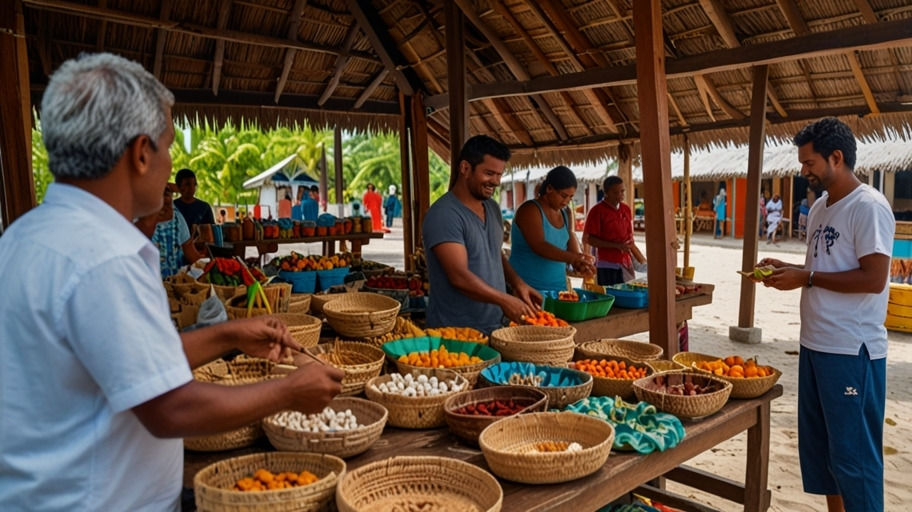
Tourism has undoubtedly played a vital role in the Maldives' economic growth, providing jobs, infrastructure, and foreign exchange. However, this growth comes at a cost, particularly in terms of environmental sustainability. The Maldives faces the dual challenge of maintaining its status as a premier tourist destination while protecting its fragile environment from the impacts of tourism and climate change.
The future of the Maldives depends on finding a delicate balance between these two competing priorities. Sustainable tourism practices, such as eco-friendly resorts, marine conservation, and renewable energy initiatives, offer a way forward. By adopting these practices and working towards a greener future, the Maldives can ensure that tourism continues to contribute to its economy while preserving the natural beauty that attracts visitors from around the world. If done right, the Maldives could serve as a model for other island nations facing similar challenges in balancing economic growth with environmental sustainability.