Challenges in Education in the Maldives: Remote Learning and the Digital Divide
The Maldives, an island nation in the Indian Ocean, is renowned for its white-sand beaches, turquoise waters, and luxurious resorts. However, beneath the idyllic veneer lies a complex set of challenges, particularly in the realm of education. As a geographically dispersed nation, the Maldives faces unique hurdles when it comes to providing equitable, high-quality education to all its citizens. In recent years, remote learning has emerged as a potential solution to some of these challenges. Still, it has also exposed a significant digital divide that threatens to exacerbate educational inequalities. This article delves into the key challenges in education in the Maldives, with a focus on remote learning and the digital divide, and explores potential solutions.
1. Geographical Challenges in the Maldives' Education System
The Maldives consists of 26 atolls, comprising approximately 1,190 coral islands. These islands are scattered over 90,000 square kilometers, making it one of the most geographically dispersed countries in the world. While the capital city of Malé is relatively developed, most of the population resides on smaller, more isolated islands. These geographical characteristics pose significant challenges to education.

1.1. Accessibility to Quality Education
One of the most pressing issues is the lack of access to quality education for students living in remote islands. Schools in these areas often the resources, infrastructure, and qualified teachers necessary to provide a high standard of education. While the Maldivian government has invested in building schools on many islands, the quality of education varies widely between urban centers like Malé and the outer islands.
Students in remote areas often have to travel long distances to access secondary or higher education. In many cases, this involves moving to larger islands or the capital, which can be financially and emotionally burdensome for families. As a result, many students from these regions are at a disadvantage compared to their peers in more developed areas.
1.2. Teacher Shortage
Another geographically challenged is the shortage of qualified teachers, particularly in subjects like mathematics, science, and English. Many teachers in the Maldives are expatriates, often hired on short-term contracts, leading to a high turnover rate. This instability disrupts the continuity of education and affects students' learning experiences. Additionally, teachers are often reluctant to work on remote islands due to the lack of amenities and professional development opportunities, further exacerbating the disparity in educational quality.
2. Remote Learning: A Solution with Caveats
In response to these challenges, remote learning has emerged as a potential solution to bridge the gap between students in urban centers and those on remote islands. The COVID-19 pandemic accelerated the adoption of remote learning in the Maldives, as schools were forced to close to curb the spread of the virus. However, while remote learning has provided opportunities for continuity in education, it has also highlighted significant challenges.
2.1. Limited Infrastructure
One of the biggest challenges to the effective implementation of remote learning in the Maldives is the limited digital infrastructure on many islands. While internet penetration has increased in recent years, there is still a significant gap in access to high-speed, reliable internet, particularly in remote areas. According to a 2021 report by the International Telecommunication Union (ITU), internet penetration in the Maldives was around 65%, which is relatively high for a small island nation. However, this figure masks significant disparities between Malé and the outer islands.
In many remote areas, internet connections are slow and unreliable, making it difficult for students to participate in online classes or access educational resources. Moreover, the cost of internet services is relatively high, placing an additional financial burden on families. This digital divide has created a situation where students in urban centers can benefit from remote learning, while those in remote areas are left behind.
2.2. Lack of Digital Devices
Even in areas where internet connectivity is available, access to digital devices remains a significant barrier. Many families in the Maldives, particularly in rural areas, cannot afford the laptops, tablets, or smartphones necessary for remote learning. In some households, multiple children may have to share a single device, making it difficult for them to attend online classes or complete assignments.
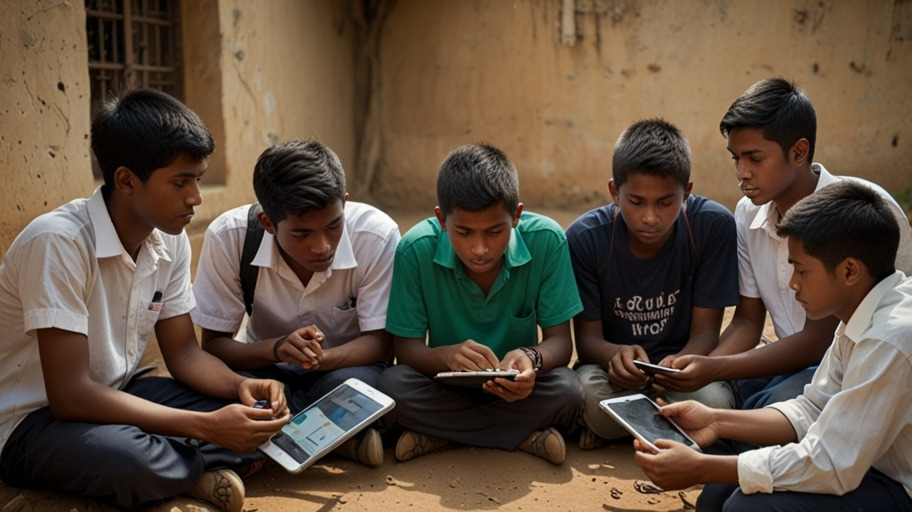
The Maldivian government and various NGOs have made efforts to distribute digital devices to students in need, but these initiatives have not been able to meet the demand fully. As a result, many students, particularly those from low-income families, continue to face challenges in accessing remote learning opportunities.
2.3. Digital Literacy
Another challenge is the lack of digital literacy among both students and teachers. While younger generations are generally more familiar with digital technology, many students in remote areas have had limited exposure to computers or the internet. This lack of digital literacy makes it difficult for them to navigate online learning platforms or make the most of digital resources.
Teachers also face challenges in adapting to remote teaching. Many have not received adequate training in using digital tools or designing online curricula. As a result, the quality of remote learning varies widely, with some teachers struggling to engage students in a virtual environment.
3. The Digital Divide: A Growing Concern
The digital divide in the Maldives is not just about access to technology; it is also about the unequal distribution of skills, opportunities, and resources. This divide threatens to deepen existing educational inequalities and widen the gap between students in urban and rural areas.
3.1. Socioeconomic Disparities
Socioeconomic disparities play a significant role in the digital divide in the Maldives. Students from wealthy families in urban areas are more likely to have access to high-speed internet, digital devices, and a conducive learning environment at home. In contrast, students from low -income families, particularly in remote islands, often lack these resources.
These disparities are further exacerbated by the cost of internet services and digital devices. While the Maldivian government has implemented various initiatives to provide subsidies for internet access and distribute devices to students in need, these efforts have not been sufficient to bridge the gap. As a result, many students from disadvantaged backgrounds continue to struggle to access remote learning opportunities.
3.2. Gender Disparities
Gender disparities also contribute to the digital divide in the Maldives. While there is no significant difference in school enrollment rates between boys and girls, cultural norms and expectations can limit girls' access to digital technology. In some households, boys may be given priority access to digital devices for remote learning, while girls are expected to help with household chores.
Moreover, girls in remote areas are often less likely to pursue higher education or vocational training, partly due to limited access to educational resources. This gender gap in digital literacy and access to technology can have long-term implications for girls' educational and career prospects .
Language Barriers
Another factor contributing to the digital divide in the Maldives is language barriers. While the official language of instruction in schools is Dhivehi, much of the digital content available for remote learning is in English. For students in remote areas who may not be proficient in English , this presents a significant challenge. The lack of Dhivehi-language digital resources further limits their ability to benefit from remote learning.
4. Addressing the Challenges: Potential Solutions
Addressing the challenges of remote learning and the digital divide in the Maldives requires a multi-faceted approach. While there are no easy solutions, there are several steps that the Maldivian government, NGOs, and other stakeholders can take to improve access to quality education for all students.
4.1. Expanding Digital Infrastructure
One of the most critical steps in addressing the digital divide is expanding digital infrastructure in remote areas. This includes improving internet connectivity and making high-speed internet more affordable for all citizens. The government has already made efforts in this regard, including partnerships with telecommunications companies to expand broadband coverage. However, further investment is needed to ensure that all students, regardless of their location, have access to reliable internet for remote learning.
4.2. Providing Digital Devices to Students
Another key solution is ensuring that all students have access to digital devices for remote learning. The government and NGOs should continue to distribute laptops, tablets, and smartphones to students in need. Additionally, schools could implement device-sharing programs or establish community learning centers where students without access to technology can use digital resources.
4.3. Training Teachers in Digital Pedagogy
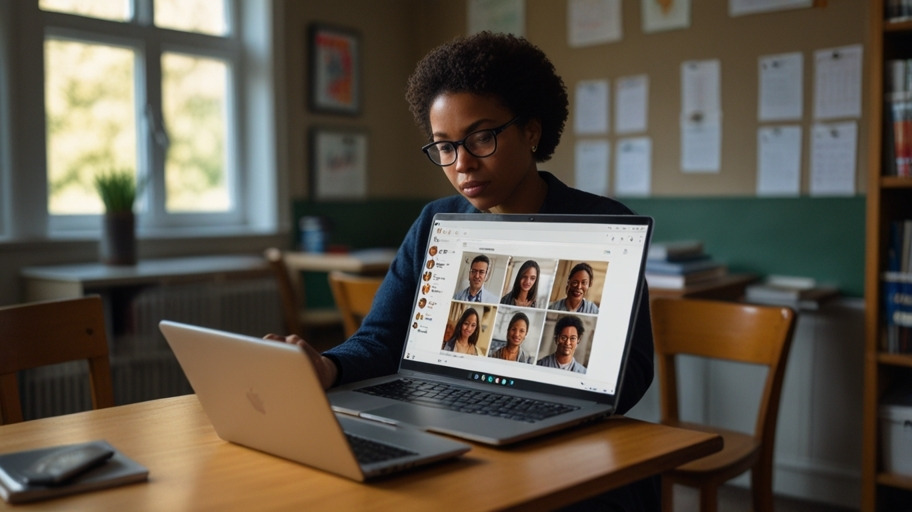
To improve the quality of remote learning, it is essential to provide teachers with training in digital pedagogy. This includes not only technical skills, such as using online platforms and digital tools, but also strategies for engaging students in a virtual environment. By equipping teachers with the skills they need to deliver effective remote instruction, the Maldives can ensure that students receive a high-quality education, regardless of their location.
4.4. Promoting Digital Literacy
Digital literacy programs for students are also crucial in bridging the digital divide. Schools should incorporate digital literacy into the curriculum, ensuring that students are familiar with using computers, navigating the internet, and utilizing digital resources for learning. Additionally, community-based programs can help parents and other members of society develop digital skills, creating a more supportive environment for remote learning.
4.5. Developing Dhivehi-Language Digital Resources
To address the language barrier, it is important to develop more Dhivehi-language digital resources for remote learning. This includes creating online textbooks, instructional videos, and other educational materials in Dhivehi, making remote learning more accessible to students who may not be proficient in English.
4.6. Addressing Socioeconomic and Gender Disparities
Finally, efforts should be made to address the socioeconomic and gender disparities that contribute to the digital divide. This could include providing financial assistance to low-income families for internet services, as well as implementing programs to promote gender equality in education and access to technology .
Conclusion
The Maldives faces significant challenges in providing equitable access to quality education, particularly in the context of remote learning and the digital divide. While remote learning has the potential to bridge some of the gaps between urban and rural students, it has also highlighted the deep disparities in access to digital resources, infrastructure, and skills. Addressing these challenges requires a comprehensive approach that includes expanding digital infrastructure, providing access to devices, training teachers, and promoting digital literacy. By taking these steps, the Maldives can ensure that all students, Regardless of their location or socioeconomic status, have the opportunity to succeed in the digital age.